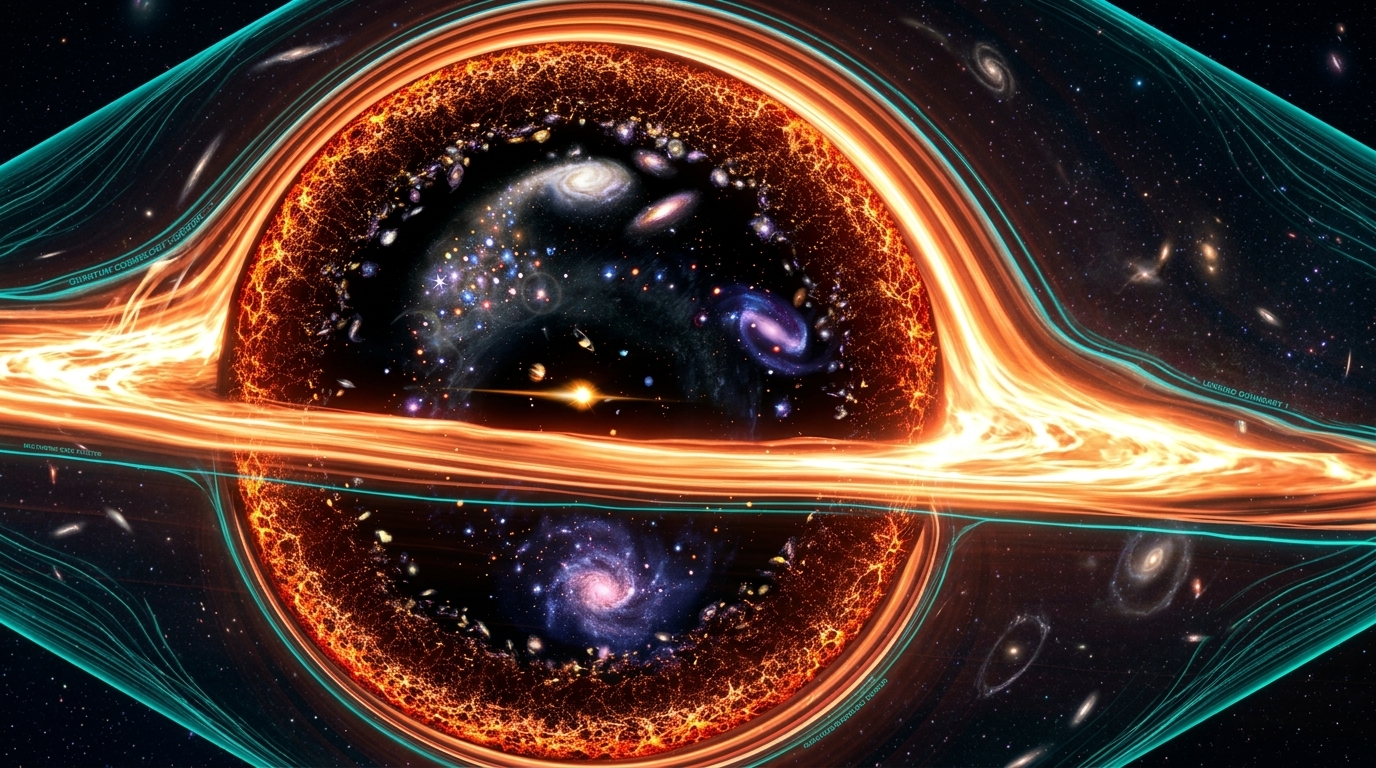
What If Every Black Hole Contains a Universe?
In 1972, the Indian-American physicist Raj Kumar Pathria published a one-page paper in Nature with a single audacious suggestion: the observable universe and a black hole may, mathematically, be the same kind of object. Half a century later, the idea has matured into a serious branch of theoretical cosmology.
Read article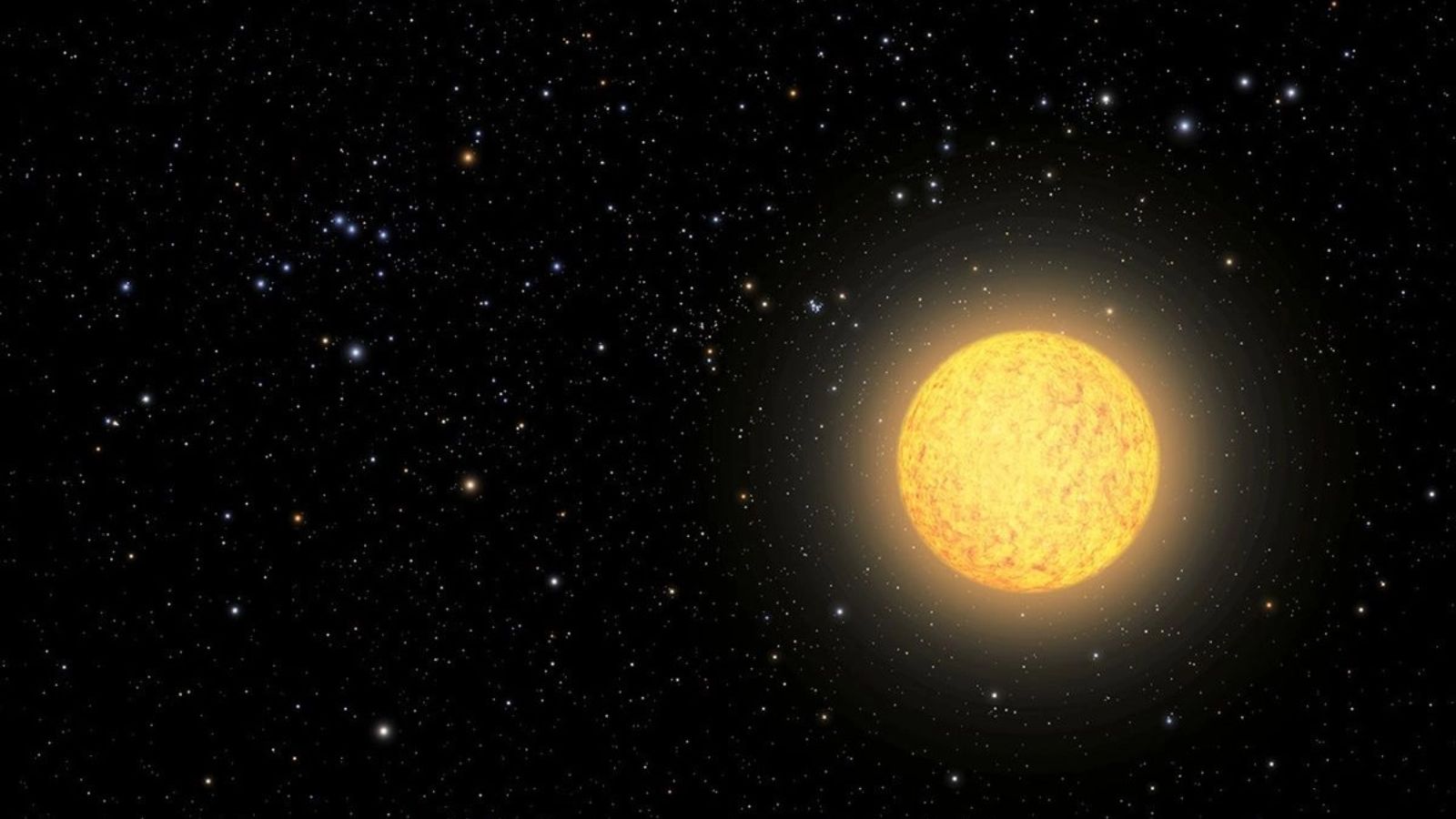
The Universe Has Too Little Lithium. And One of Its Stars Is Older Than It Should Be.
Big Bang nucleosynthesis predicts the universe's first three elements with surgical precision. Hydrogen and helium check out. Lithium is off by a factor of three. And in the constellation Libra, one star appears to be slightly older than the universe itself.
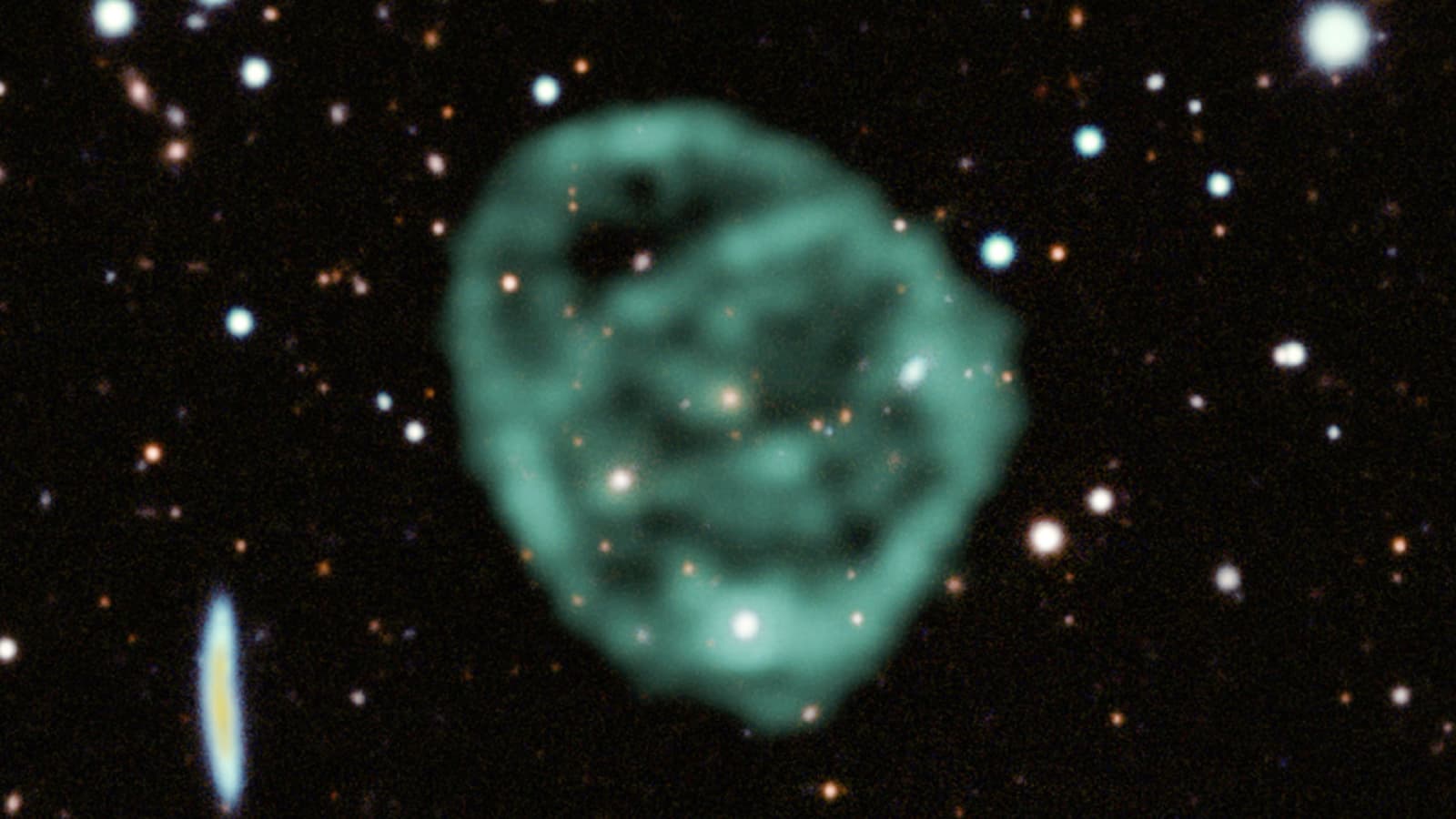
There Are Giant Rings in Deep Space — and Nobody Knows What Made Them
In 2019, an astronomer scrawled 'WTF' across the corner of an image. She had spotted a perfectly circular halo of radio waves a million light-years across, with no obvious cause. Five more have been confirmed since. Astronomers have a name for them, three competing theories about what they are, and no agreement on which is right.
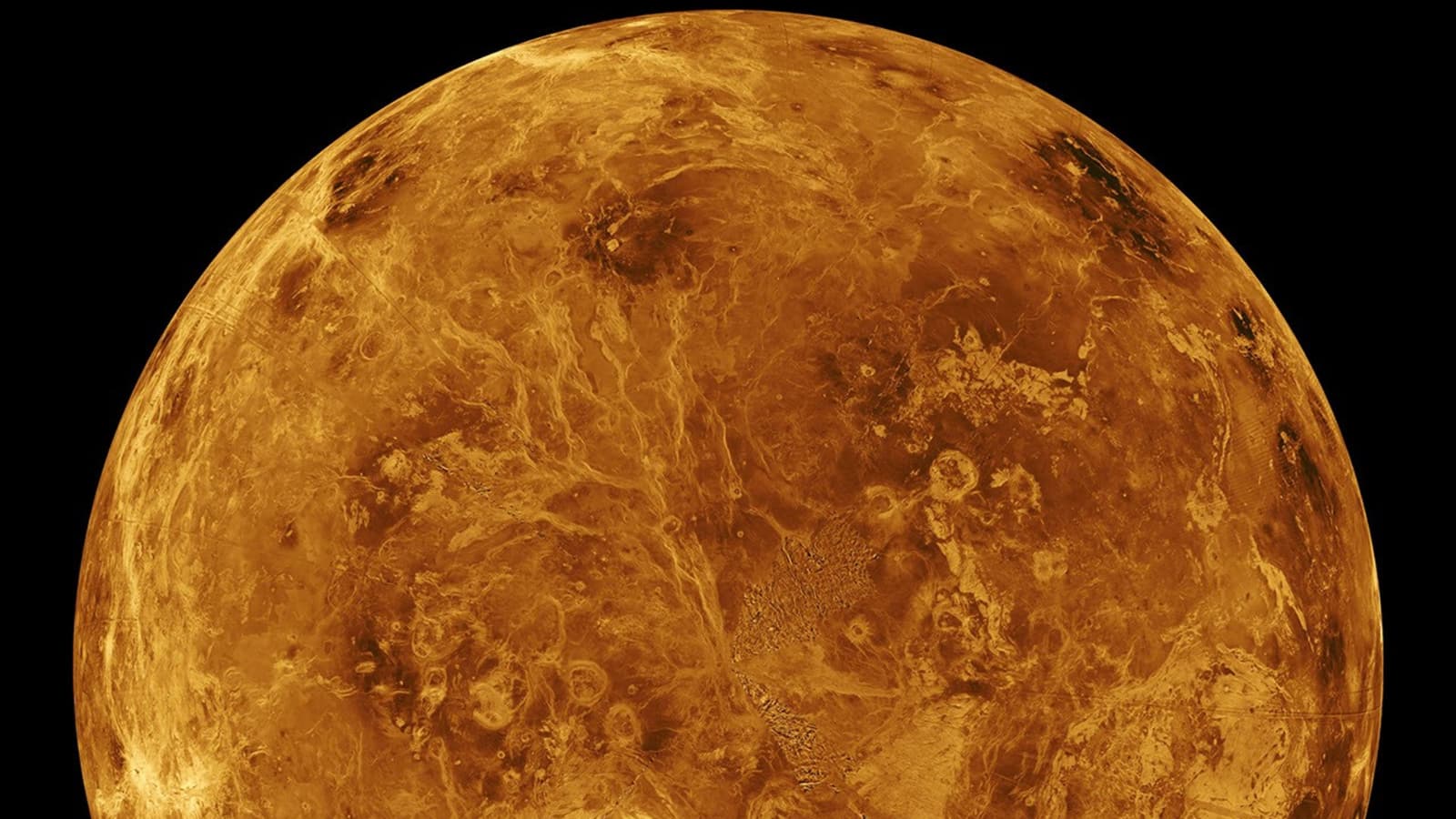
Venus Was Earth's Twin for a Billion Years. Then Something Broke.
Venus formed alongside Earth, from the same cloud of dust, at essentially the same moment. Same size. Same mass. Similar composition. Today it is the solar system's hottest planet. A 2023 paper in Nature Astronomy argues that for a billion years, it also had working plate tectonics.
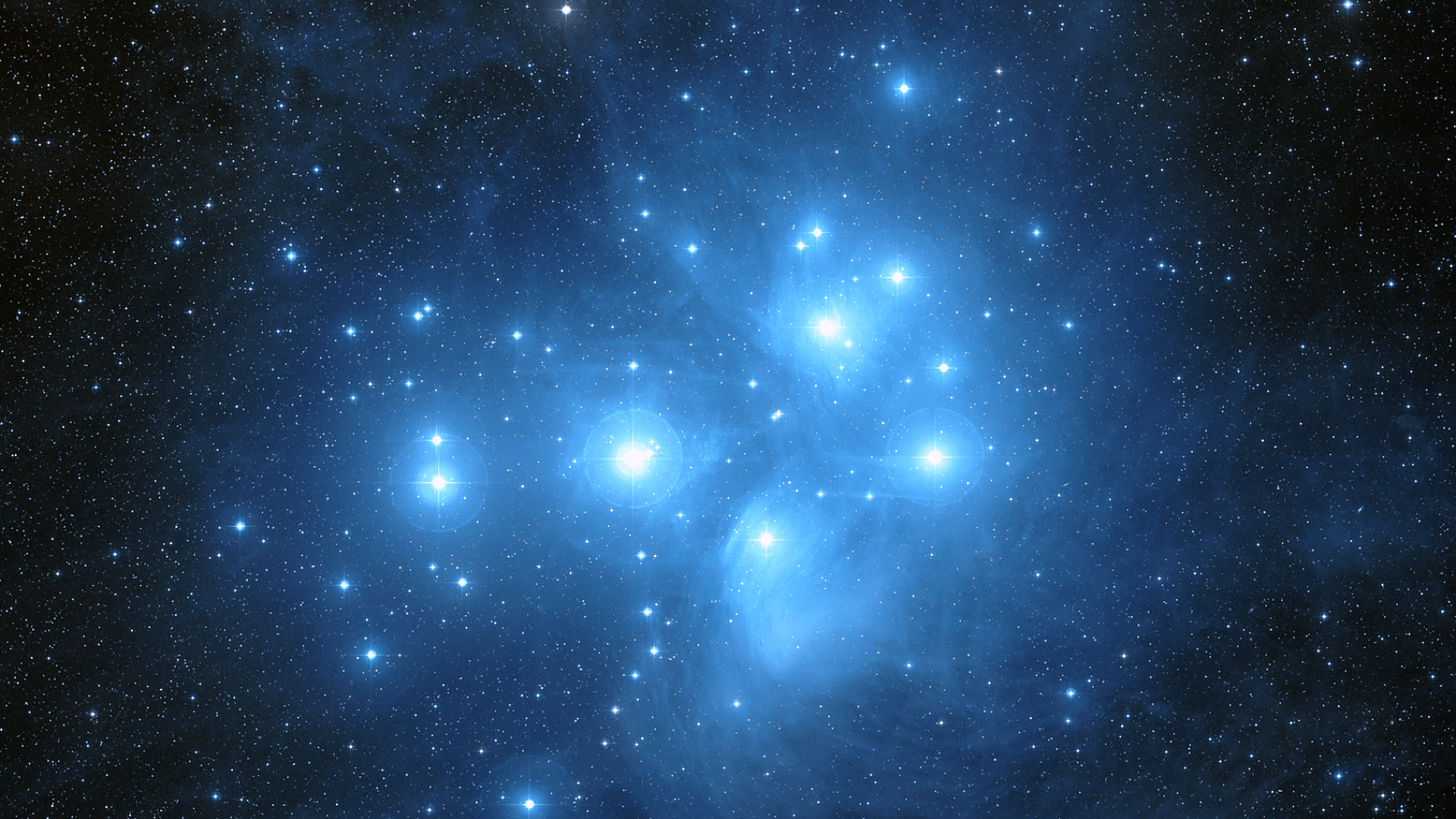
If You Stood on a World in the Pleiades, This Is What You'd See
Messier 45 is the most photographed open cluster in the sky and one of the closest. No planet has ever been confirmed orbiting any of its 1,300 stars. And yet on one of them — a quiet F-type star named HD 23514 — colliding embryos appear to be building a planet right now.
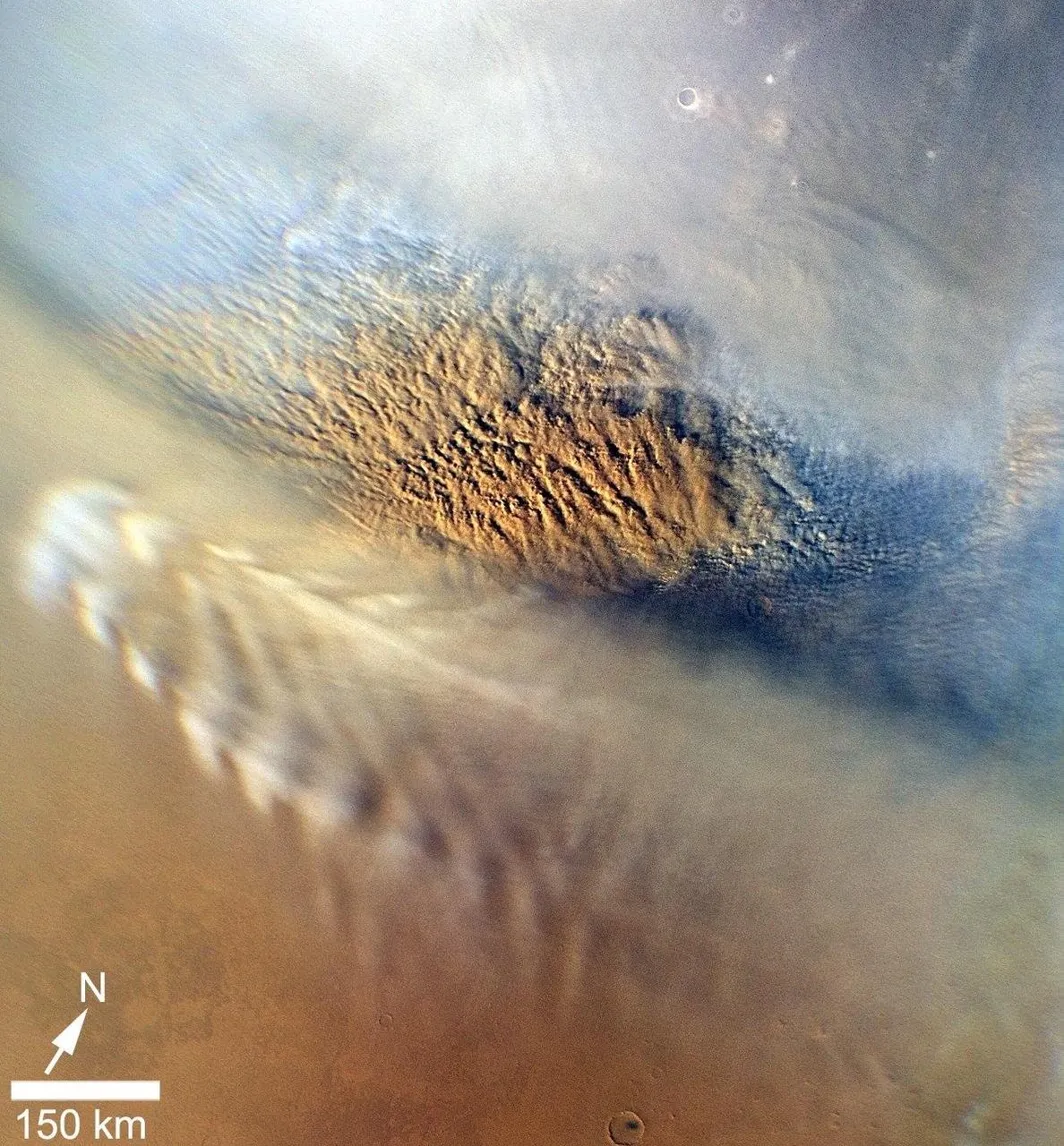
The Sound That Shouldn't Exist on Mars — And What It Changes
For decades, scientists sent instruments to Mars specifically designed to find lightning. They found nothing. Then Perseverance — not looking for lightning at all — picked up 55 faint electrical pops buried in 45 months of audio data.
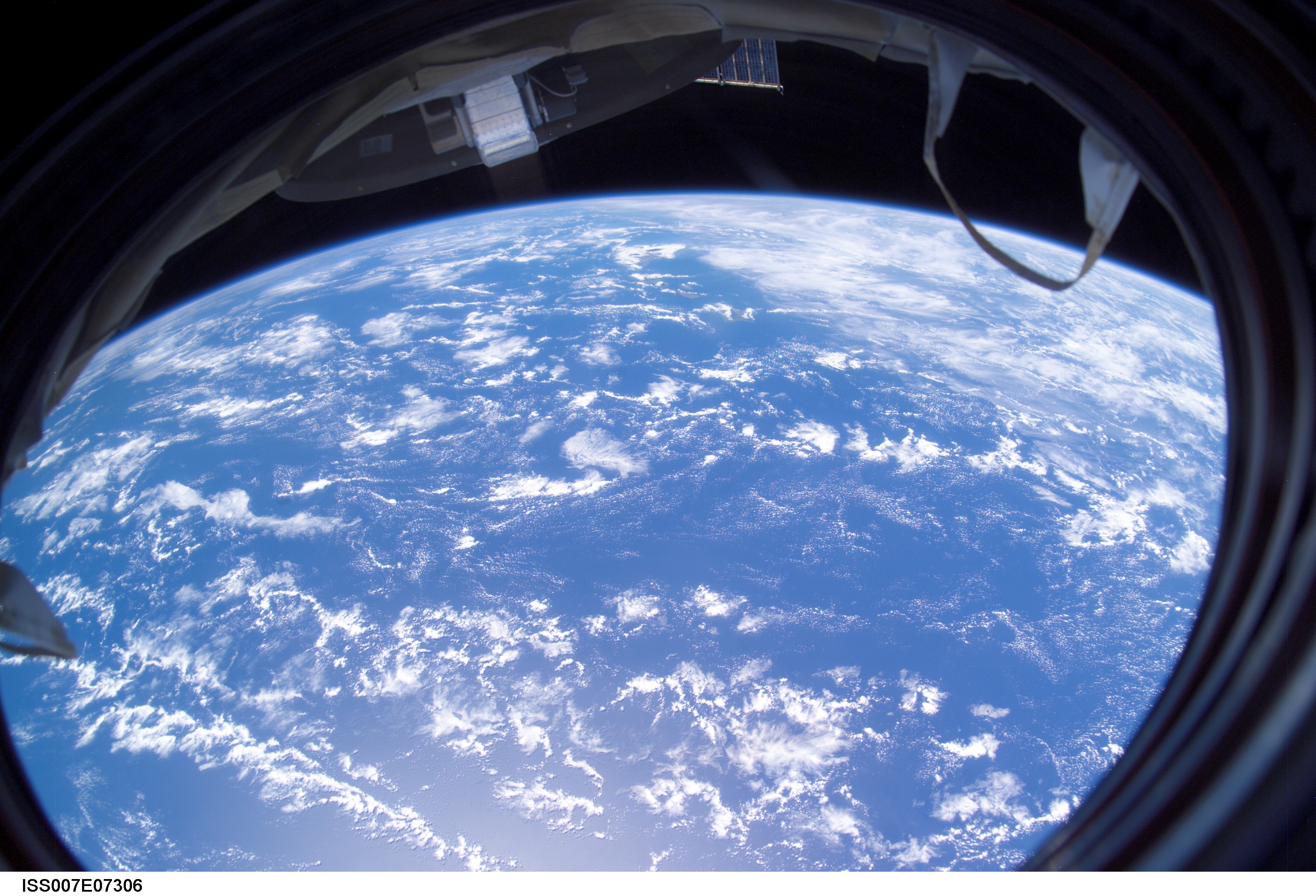
Earth's Oxygen Is Running Out — Just Not on a Human Schedule
The air you are breathing right now took 2.5 billion years to accumulate. It will be gone in roughly 1.08 billion more. A study in Nature Geoscience has calculated, with uncomfortable precision, when Earth's atmosphere will return to the oxygen-starved conditions of the ancient Archaean.
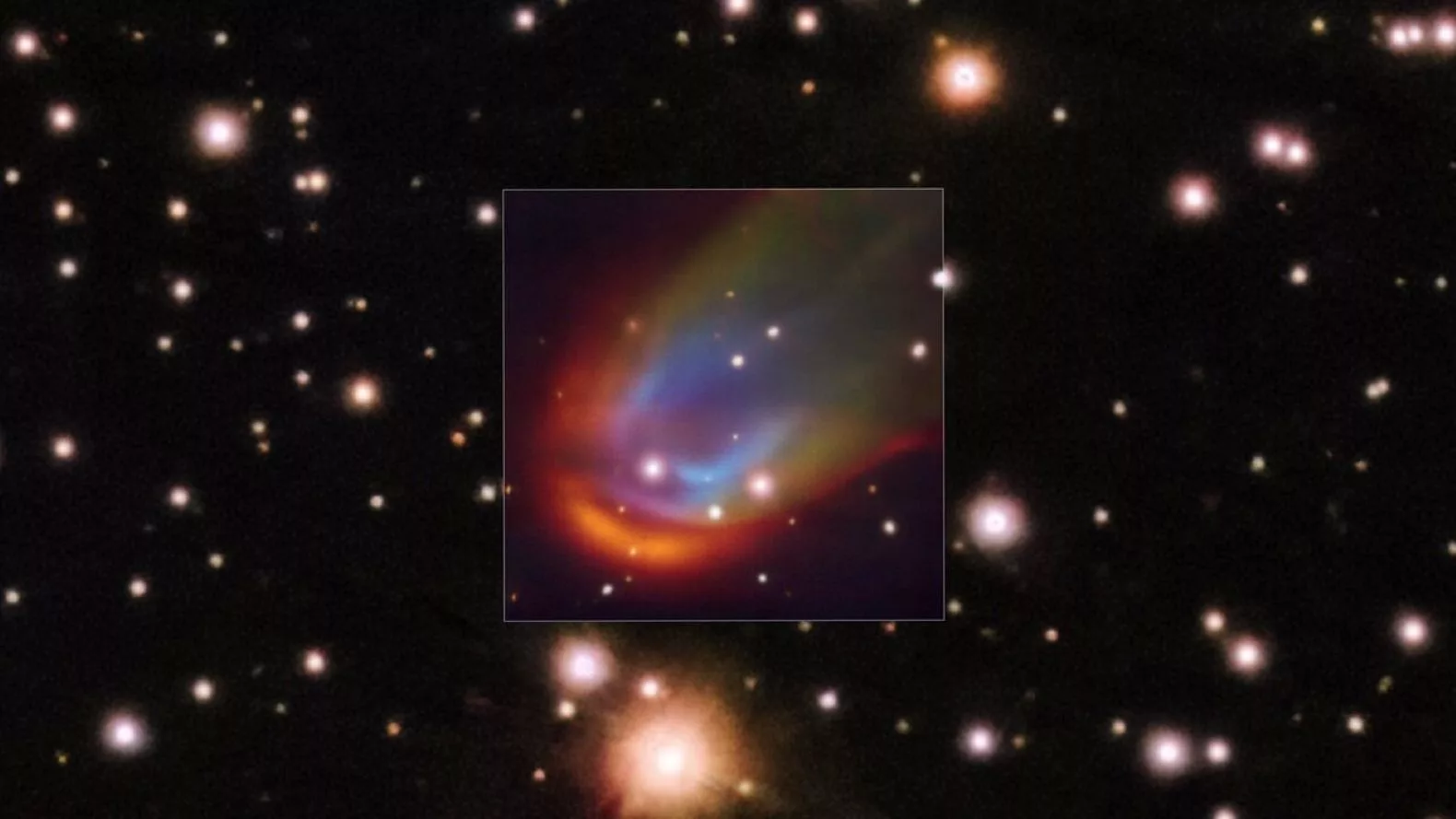
The Dead Star That Shouldn't Be Breathing — And Is
According to everything physicists know, RXJ0528+2838 should not have a shock wave around it. It does — and 12 institutions across seven countries cannot explain why.
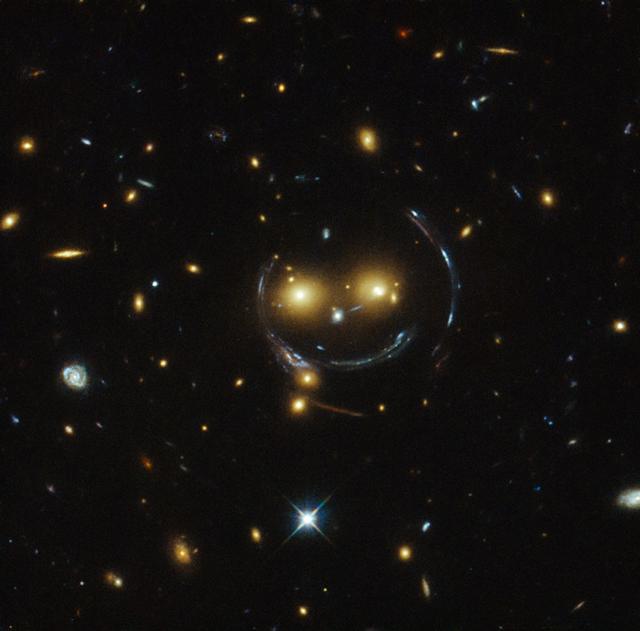
Time Is Not What You Think It Is — And Einstein's Physics Can Prove It
You cannot touch it or hold it in your hands. And yet time governs everything you will ever do. Einstein's answer — buried inside one of the most successful theories in history — is stranger than most people realize.
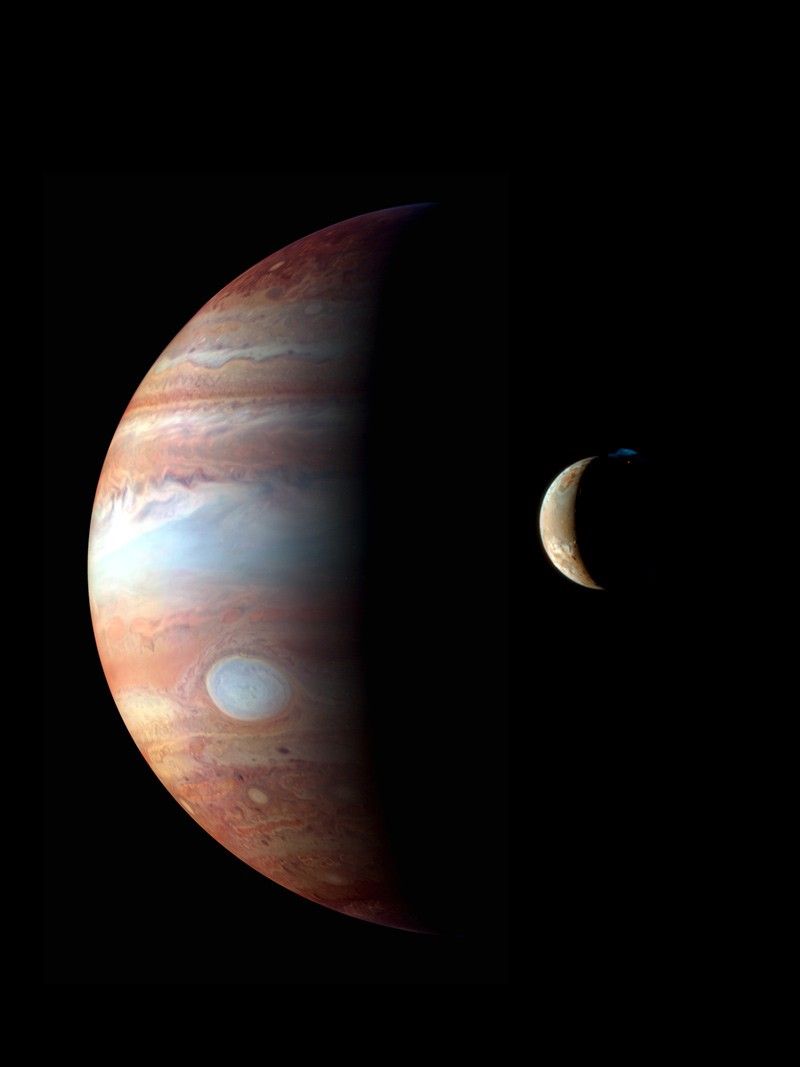
Juno's Last Secrets: What NASA's Most Resilient Probe Revealed About Jupiter
It was supposed to last 20 months. Years after its original mission ended, Juno is still orbiting Jupiter — and nearly everything it found defied what scientists thought they knew.